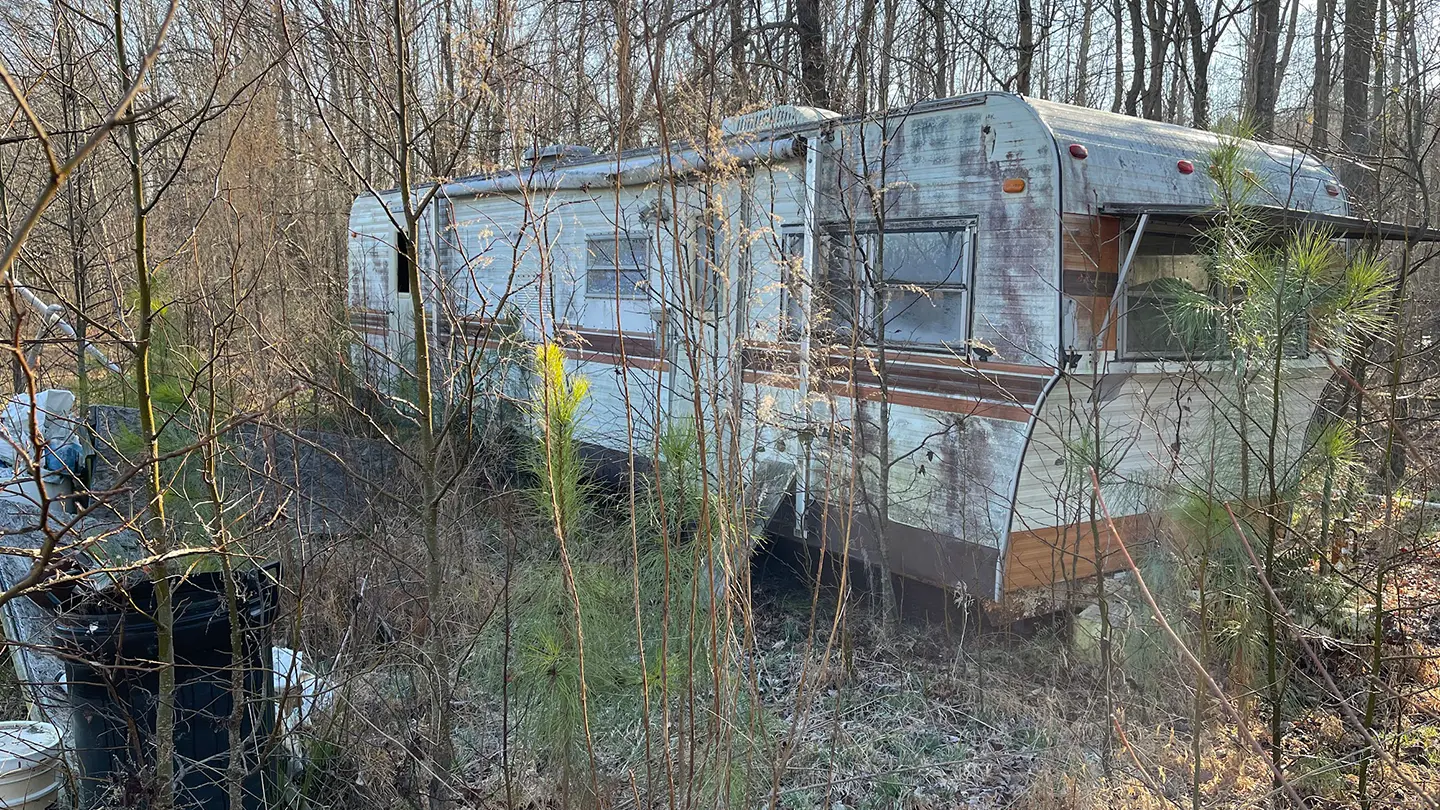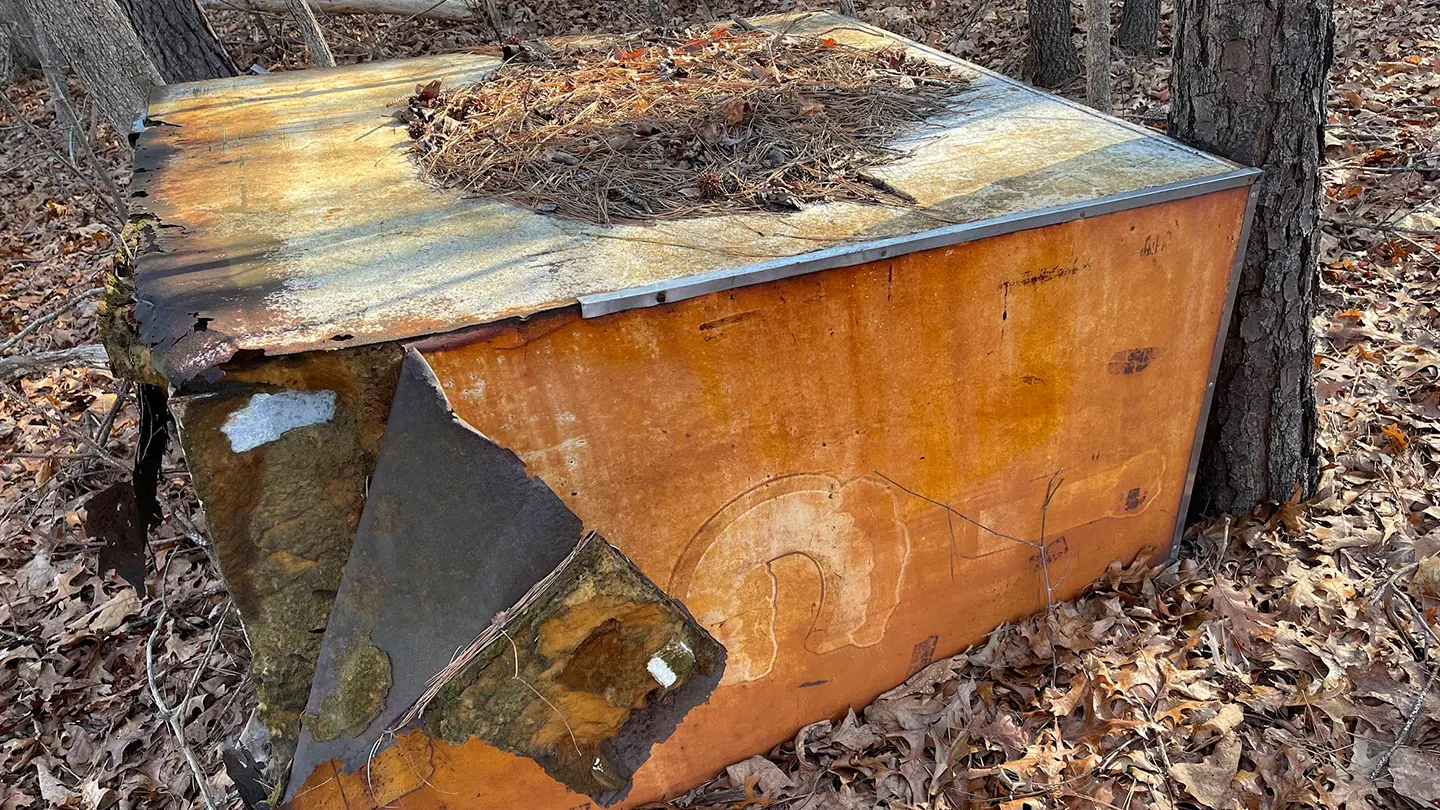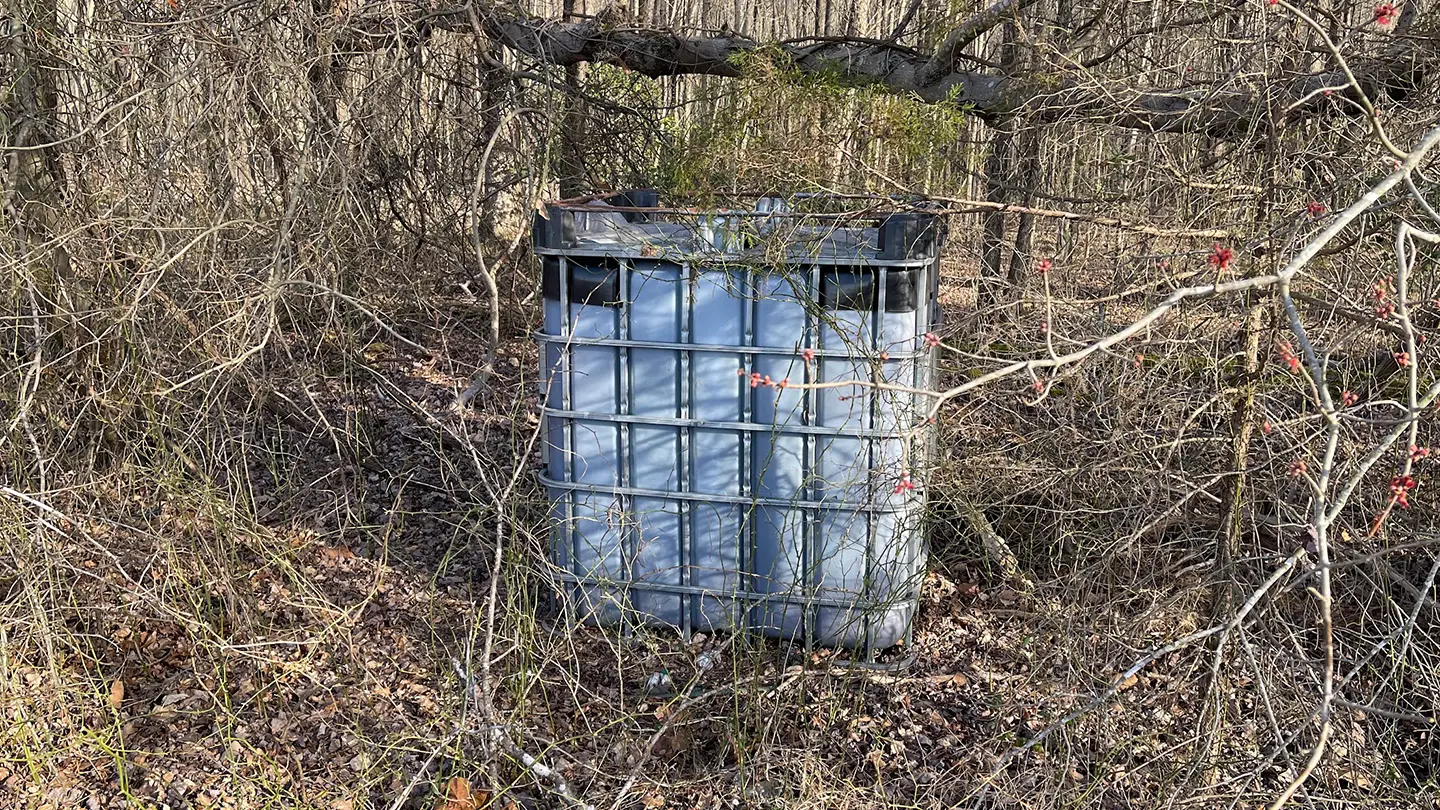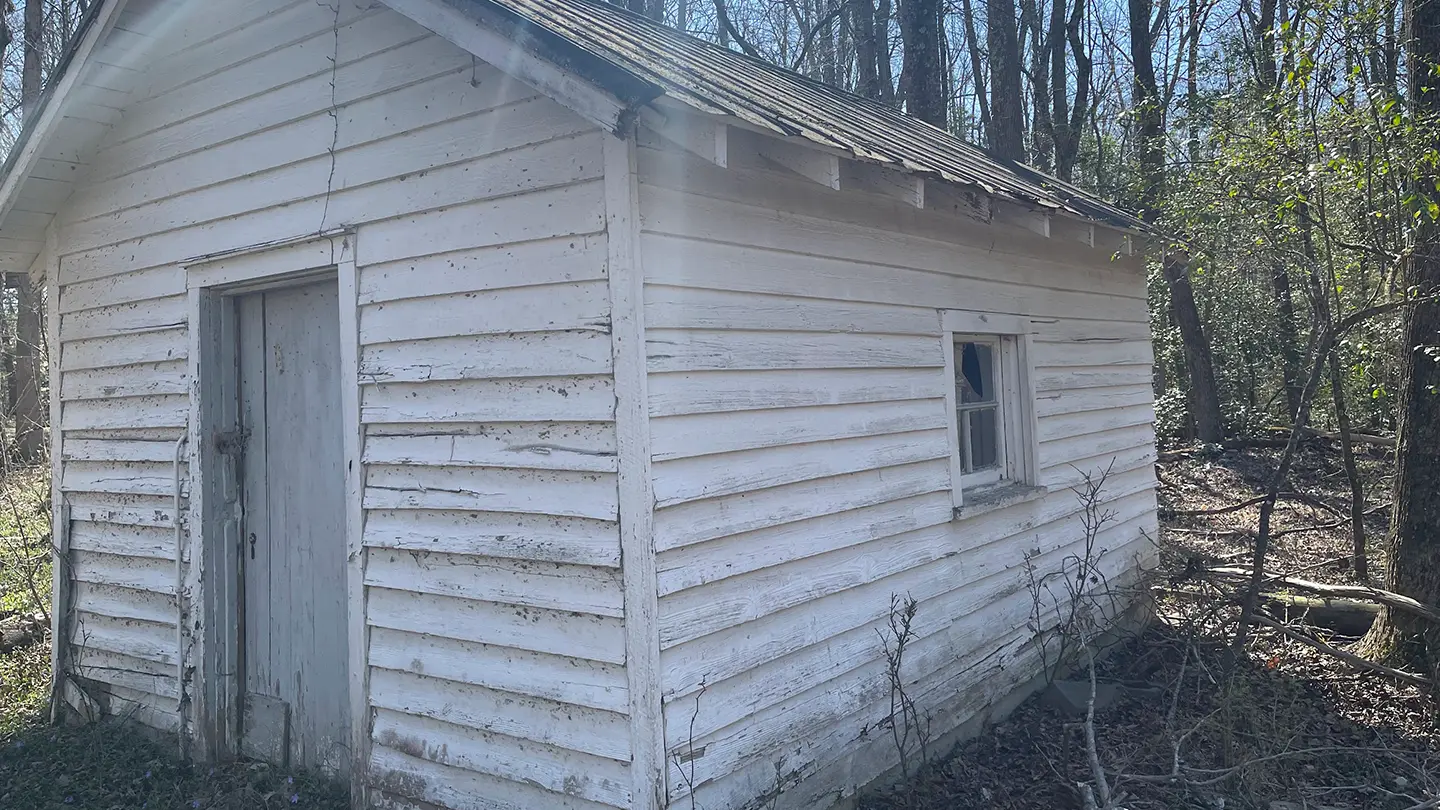

Phase I ESA
Environmental Site Assessments in Virginia
A Phase I Environmental Site Assessment (ESA) is a crucial step in evaluating potential environmental risks before property transactions. Our team conducts thorough assessments to identify contamination risks and ensure regulatory compliance.
Phase I ESAs are typically required for commercial real estate transactions, land development, and financing approvals. Our assessments include site inspections, historical research, regulatory database reviews, and interviews to determine if further investigation (Phase II ESA) is necessary.


Our Process
For Phase I Site Assessments
A Phase I Environmental Site Assessment (ESA) is the industry-standard tool for identifying potential environmental liabilities associated with a property. Whether you’re buying, selling, refinancing, or developing commercial real estate, a Phase I ESA protects you from unforeseen contamination issues and helps satisfy lender and regulatory requirements.
Our experienced team conducts Phase I ESAs in accordance with ASTM E1527-21 standards.
Each assessment includes:
These components work together to determine if “Recognized Environmental Conditions” (RECs) exist and whether further investigation (i.e., a Phase II ESA) may be warranted.
We specialize in fast turnarounds without compromising quality—an essential factor when transactions are under tight deadlines. Our assessments support risk management, due diligence, and compliance with the Comprehensive Environmental Response, Compensation, and Liability Act (CERCLA) and All Appropriate Inquiry (AAI) requirements.
Trust our team to deliver clear, concise reports that meet lender and investor expectations. Contact us today to request a quote or schedule an assessment.

Frequently Asked Questions
About Phase I ESA
Lenders, property buyers, developers, and investors require Phase I Environmental Site Assessments to assess potential environmental liabilities before purchasing land.
If contamination is suspected, a Phase II ESA involving soil and groundwater testing may be required.
Typically, it takes 2-4 weeks, depending on site complexity and historical data availability.

View Our Work
Phase I Environmental Site Assessment Projects in Virginia