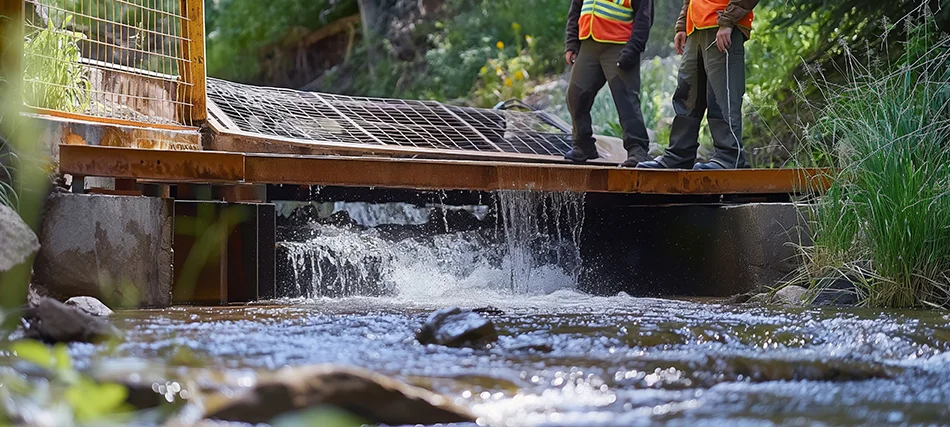

Site Compliance Inspections
SWPPP Inspections in Virginia
Regular Stormwater Pollution Prevention Plan (SWPPP) inspections are essential to maintaining compliance with local, state, and federal stormwater regulations. Our team provides thorough site compliance inspections to help construction projects meet regulatory standards and avoid costly violations.
SWPPP inspections are required under the VPDES Construction General Permit to ensure that erosion and sediment controls, best management practices (BMPs), and stormwater management measures are effectively implemented and maintained. We conduct scheduled and event-driven inspections, provide detailed reports, and assist in corrective actions to keep your project in compliance.


Protect Your Project
With Comprehensive SWPPP Inspections
Staying compliant with stormwater regulations is non-negotiable for active construction sites. Our team provides comprehensive Stormwater Pollution Prevention Plan (SWPPP) inspections in accordance with the Virginia Pollutant Discharge Elimination System (VPDES) Construction General Permit and federal EPA guidelines.
We perform scheduled and event-based inspections to ensure your site’s erosion and sediment controls, stormwater best management practices (BMPs), and pollution prevention measures are functioning as designed. Our inspectors document all findings with detailed reports, photos, and clear action items, helping you address issues before they lead to violations.
We also assist with corrective measures, documentation, and coordination with regulatory authorities when needed. Whether you’re a general contractor, developer, or municipal agency, we help reduce the risk of stop-work orders, fines, or delays due to non-compliance.
Services include:
Protect your project timeline and budget by partnering with a team that understands the ins and outs of stormwater compliance.

Frequently Asked Questions
About SWPPP Inspections
Typically, inspections are required once every 4 business days.
Our inspectors assess erosion and sediment controls, check BMP effectiveness, document findings, and recommend corrective actions if needed.
Non-compliance can result in fines, project delays, or stop-work orders from regulatory agencies.